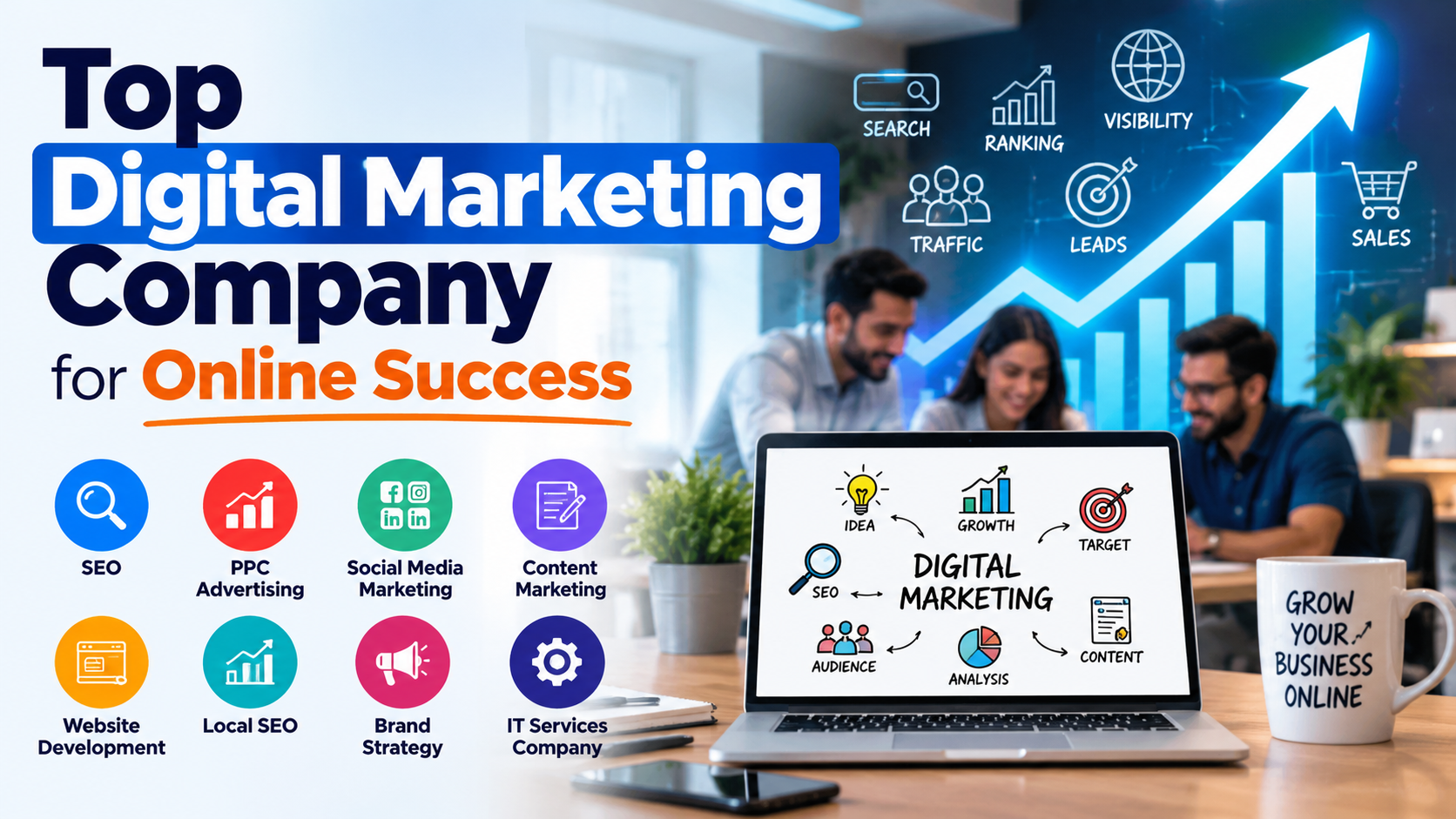
In today’s digital world, having a strong online presence is essential for businesses of all sizes. Customers increasingly rely on search engines, social media platforms, and online reviews to discover products and services. Businesses that invest in effective digital strategies can improve their visibility, connect with their target audiences, and create more opportunities for growth. Working with a top digital marketing company can help businesses navigate the competitive online marketplace and achieve their marketing goals.
Whether you operate a startup, a small business, or an established organization, the right digital marketing strategy can help you attract potential customers and build long-term brand recognition. From search engine optimization to paid advertising, professional digital marketing services provide the tools and expertise needed to strengthen your digital presence.
Why Digital Marketing Is Important for Business Growth
Digital marketing allows businesses to promote their products and services through online channels where potential customers spend their time. Unlike traditional marketing, digital campaigns offer measurable insights that help businesses understand audience behavior and improve their strategies.
A well-planned digital marketing campaign can help businesses reach relevant audiences, generate qualified leads, increase website traffic, and improve customer engagement. It also allows companies to adjust their marketing efforts based on campaign performance and changing market conditions.
Businesses that maintain a consistent online presence are better positioned to build customer trust and remain competitive in their industries.
What Makes a Top Digital Marketing Company?
Choosing the right marketing partner is an important decision for any business. A top digital marketing company understands that every organization has different objectives, audiences, and challenges. Instead of applying the same strategy to every client, an experienced agency develops a customized plan based on business requirements.
Here are some important qualities to consider when selecting a digital marketing partner.
Strategic Planning
Successful digital marketing begins with a clear strategy. A professional agency evaluates your business objectives, target audience, competitors, and existing online presence before recommending suitable marketing activities.
This approach helps businesses prioritize the channels and campaigns most likely to support their goals.
Search Engine Optimization Expertise
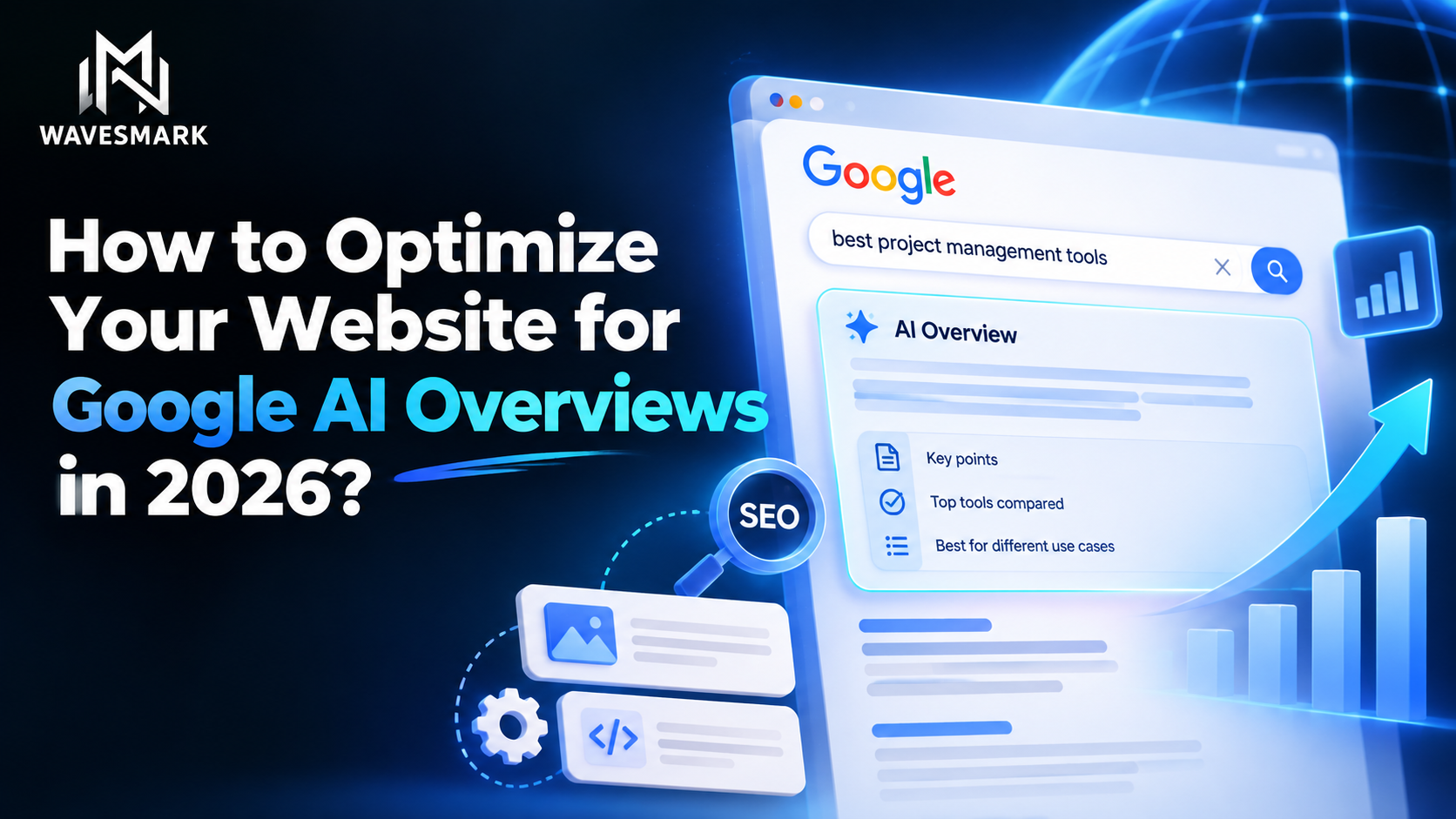
SEO helps businesses improve their visibility in organic search results. A reliable agency focuses on keyword research, website optimization, technical SEO, content development, internal linking, and relevant authority-building activities.
The objective is to attract visitors who are actively searching for information, products, or services related to your business.
Transparent Reporting
Marketing performance should be measured through meaningful data. A professional digital marketing partner provides regular reports that explain campaign progress, website traffic, keyword performance, leads, conversions, and other relevant metrics.
Transparent reporting helps businesses understand their return on investment and make informed marketing decisions.
Continuous Improvement
Online marketing is constantly evolving. Search engine updates, customer preferences, and advertising competition can influence campaign performance. A capable agency regularly evaluates results and adjusts its approach to improve effectiveness over time.
Essential Digital Marketing Services for Online Success
A comprehensive digital strategy combines different marketing channels to help businesses reach customers at various stages of their buying journey.
1. Search Engine Optimization (SEO)
SEO is an important component of long-term online growth. It helps improve website visibility for relevant search queries and attracts visitors through organic search results.
Professional SEO services may include keyword research, on-page optimization, technical website audits, content creation, internal linking, and local SEO.
By publishing useful content and maintaining a technically sound website, businesses can improve their chances of appearing in relevant search results. SEO requires ongoing effort, and results depend on competition, website quality, and other factors.
2. Pay-Per-Click Advertising
Pay-per-click advertising allows businesses to display ads on platforms such as Google Ads and pay when users click on them. It can help businesses reach potential customers searching for specific products or services.
Effective PPC management involves keyword targeting, compelling ad copy, budget optimization, landing page improvements, and conversion tracking.
When campaigns are managed carefully, paid advertising can support lead generation and provide valuable insights into customer demand.
3. Social Media Marketing
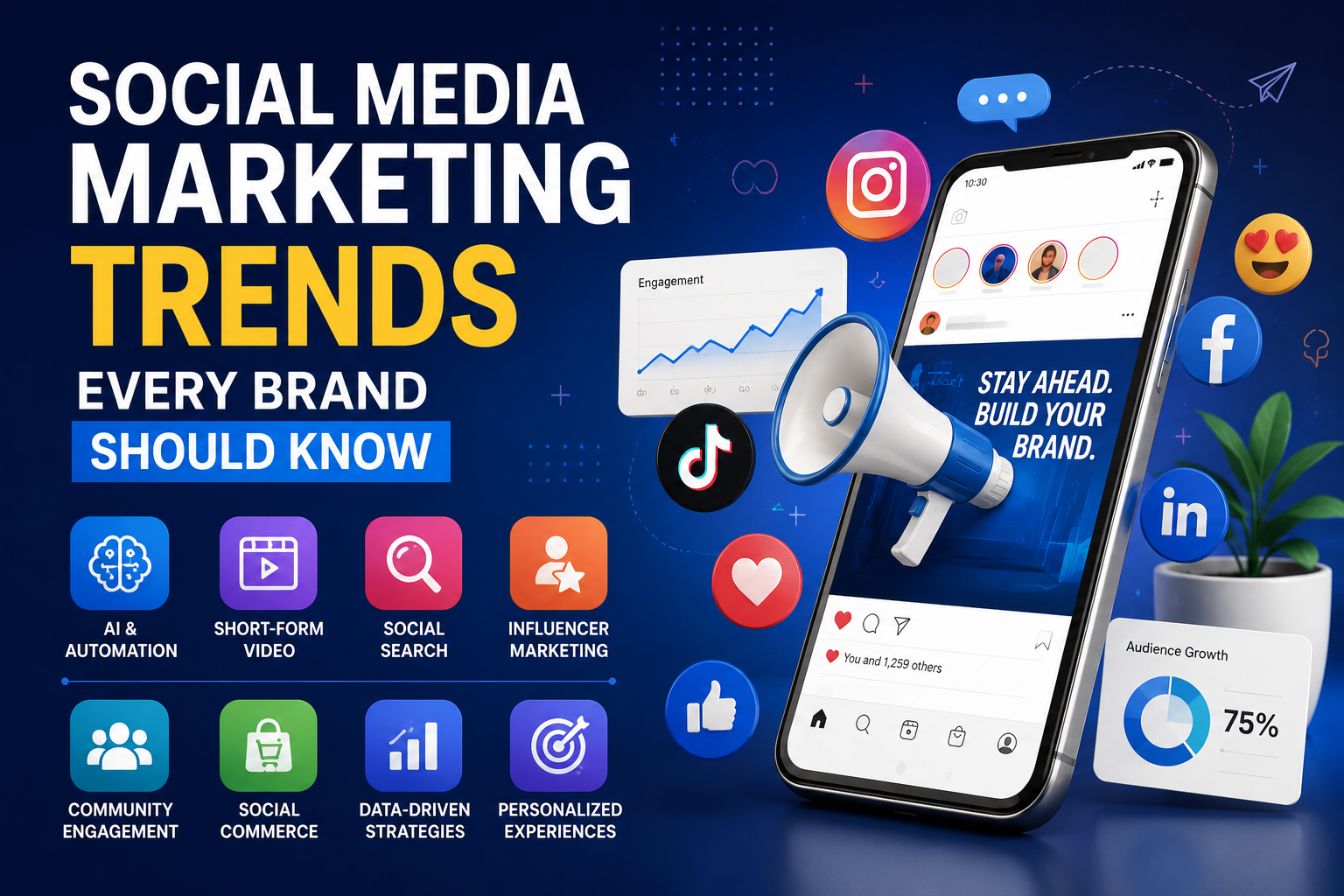
Social media marketing enables businesses to connect with their audiences, communicate their brand values, and promote their offerings across relevant platforms.
A strong social media strategy may include content calendars, branded graphics, short-form videos, audience engagement, community management, and paid social advertising.
Consistent, relevant content can help businesses develop stronger customer relationships and increase brand awareness.
4. Content Marketing
Content marketing focuses on creating informative and engaging material that answers customer questions and addresses their needs.
Blog articles, service pages, educational guides, case studies, and videos can help businesses demonstrate their expertise and support potential customers during the decision-making process.
High-quality content also supports SEO by helping search engines understand the relevance and usefulness of a website.
5. Website Design and Development
Your website is often the first interaction a potential customer has with your business. A professional, mobile-friendly website helps visitors understand your services and take the next step.
A capable IT services company may provide website design, development, maintenance, performance optimization, and technical support. Combining these capabilities with digital marketing can create a more consistent customer experience.
An effective website should load quickly, provide clear navigation, communicate your value proposition, and make it easy for visitors to contact your business.
6. Local SEO Services
Local SEO is particularly important for businesses that serve customers within specific geographic areas. When people search for services nearby, they often compare local businesses before making a decision.
Local SEO activities include optimizing your Google Business Profile, maintaining accurate business information, creating relevant location pages, earning genuine customer reviews, and improving local search relevance.
These activities can help businesses become more discoverable for location-based searches and connect with customers in their service areas.
How to Find a Digital Marketing Agency Near Me
Searching for a digital marketing agency near me can provide several options, but choosing the right provider requires more than comparing prices or website designs.
Consider the following factors before making your decision.
Review the agency’s experience: Examine relevant projects, case studies, and examples of previous work. Look for evidence that the agency understands your industry and business objectives.
Evaluate its services: Determine whether the agency provides the services you need, such as SEO, paid advertising, social media management, content marketing, or website development.
Understand the strategy: A reliable provider should explain how its proposed activities support your goals. Avoid choosing an agency that recommends tactics without understanding your target audience or current challenges.
Ask about communication: Regular updates and clear reporting make it easier to evaluate progress. Make sure you understand how often you will receive reports and who will be responsible for communication.
Compare value rather than price alone: Review the scope of work, deliverables, expertise, and reporting included in each proposal. The lowest-priced option may not provide the support your business requires.
Set realistic expectations: SEO typically takes time, while paid campaigns can produce results sooner depending on the market and budget. No legitimate agency can guarantee specific rankings or a fixed number of leads in every situation.
How an IT Services Company Supports Digital Marketing
Technology and marketing increasingly work together to support business growth. An IT services company with digital marketing capabilities can help businesses align their websites, online campaigns, and technical infrastructure.
For example, website speed and mobile usability can influence the experience visitors have after clicking an advertisement or search result. Analytics and conversion tracking help businesses understand which marketing channels generate inquiries and sales. Website maintenance and security also help maintain a reliable online presence.
When technical services and marketing strategies are coordinated, businesses can identify problems more efficiently and make improvements across the customer journey.
However, it is important to select a provider whose actual expertise matches your requirements, whether that means technical IT support, digital marketing, or both.
Tips for Building a Successful Digital Marketing Strategy
Businesses can improve their marketing efforts by following a structured approach.
- Define clear objectives: Decide whether your priorities are increasing website traffic, generating qualified leads, improving brand awareness, or increasing online sales.
- Understand your audience: Research customer needs, search behavior, interests, and purchasing challenges.
- Choose relevant channels: Invest in the platforms that best match your audience and business goals instead of trying every marketing channel at once.
- Create useful content: Publish information that answers genuine customer questions and explains your services clearly.
- Track meaningful metrics: Monitor qualified leads, conversion rates, acquisition costs, and revenue where applicable.
- Optimize regularly: Use campaign data to identify opportunities and improve underperforming areas.
- Maintain consistency: Build sustainable marketing processes instead of relying only on occasional campaigns.
A well-organized strategy makes it easier to measure progress and direct resources toward activities that support business growth.
Common Digital Marketing Mistakes to Avoid
Even businesses with good products and services can struggle online if their marketing lacks a clear direction.
One common mistake is targeting broad keywords without understanding search intent. Another is publishing content primarily for search engines instead of providing useful information to readers.
Businesses may also waste advertising budgets when conversion tracking is missing or landing pages fail to communicate a clear offer. Inconsistent social media activity, slow websites, and unrealistic expectations about SEO can create additional challenges.
Working with an experienced marketing team can help identify these issues, prioritize improvements, and establish a more effective approach.
Conclusion
Partnering with a top digital marketing company can help businesses strengthen their online presence, reach relevant audiences, and create opportunities for sustainable growth. The right strategy combines suitable digital marketing services with a well-designed website, useful content, effective audience targeting, and consistent performance measurement.
Whether you are looking for a digital marketing agency near me or an IT services company that can support your broader digital requirements, focus on expertise, transparency, strategic planning, and measurable results.
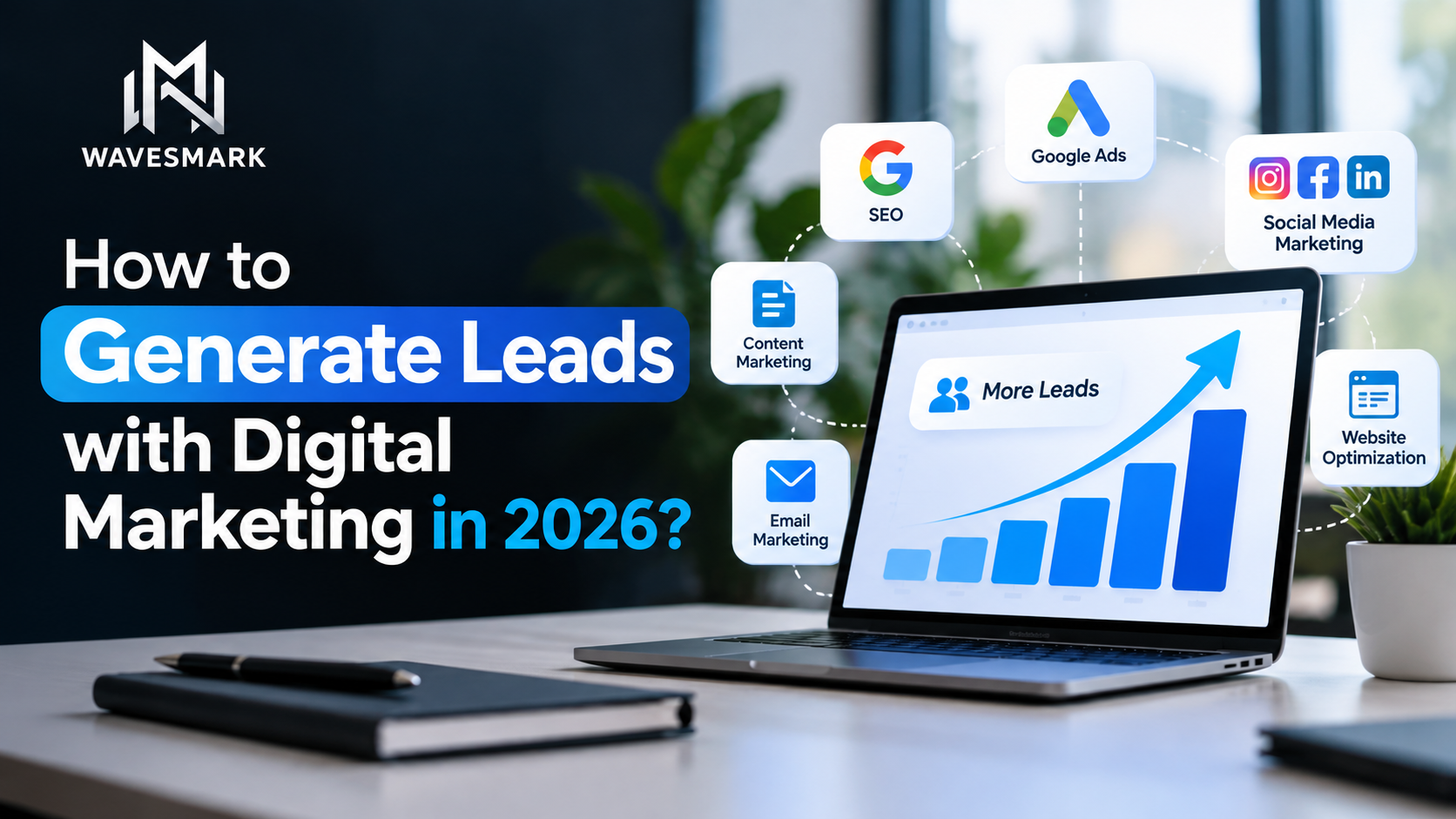
By investing in the right combination of SEO, PPC advertising, social media marketing, content marketing, and website optimization, your business can build a stronger digital foundation and compete more effectively in the online marketplace.
Ready to improve your online presence? Start by reviewing your current digital strategy, identifying your biggest growth opportunities, and choosing a marketing partner that understands your business goals.